
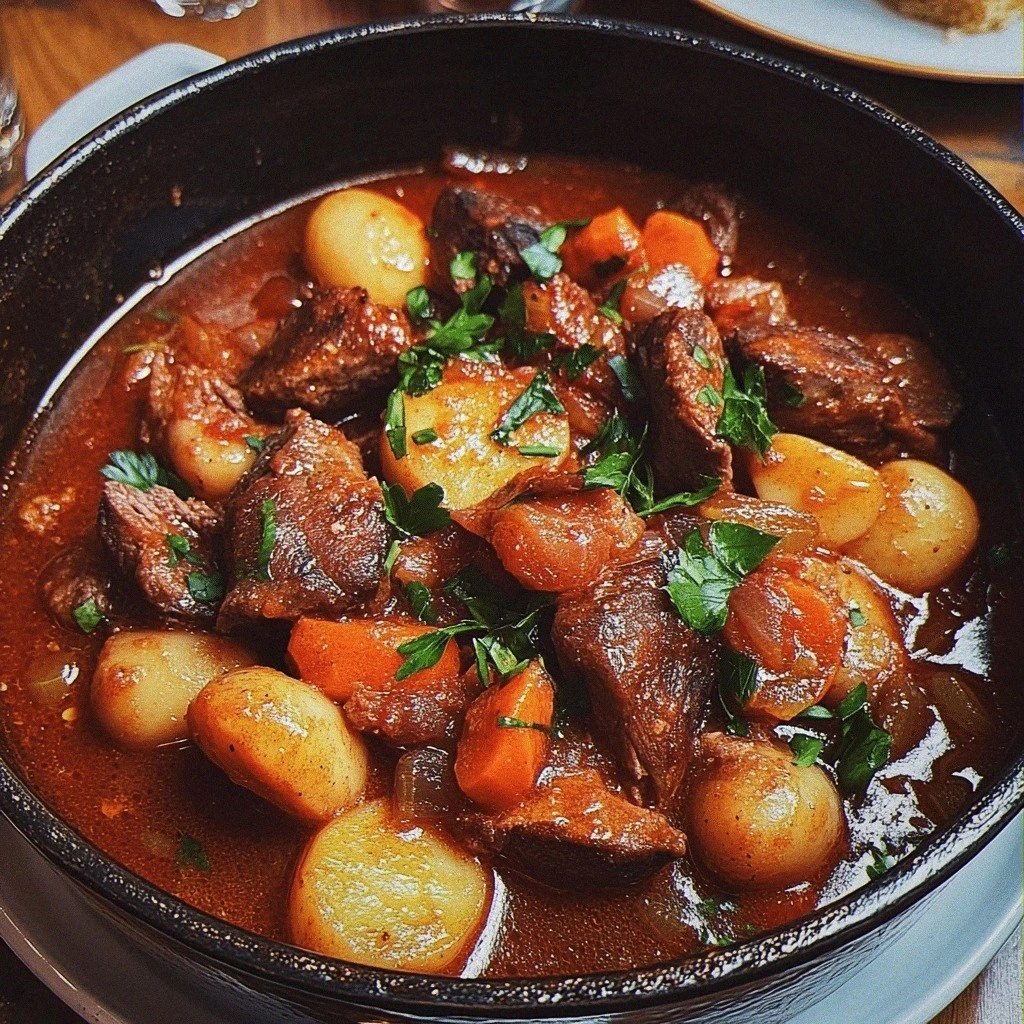
I still remember the first time I tried to coax a winter evening into something magical with a pot of simmering lamb stew. The kitchen was filled with the low hum of the oven, the clink of wooden spoons, and the faint scent of pine from a nearby window. As the lid lifted, a cloud of fragrant steam rose like a warm blanket, carrying whispers of rosemary, caramelized onions, and the earthy sweetness of root vegetables. That moment, when the aroma wrapped around my shoulders like a cozy shawl, made me realize that a good stew is more than just food—it’s a memory in the making. Have you ever wondered why some dishes feel like a hug, while others feel just… functional?
That night, my family gathered around the table, the kids’ eyes widening as the first spoonful hit their plates. The lamb was melt‑in‑your‑mouth tender, the carrots glistened with a buttery sheen, and the broth sang with layers of flavor that seemed to deepen with every bite. I could see my mother’s smile, the way she closed her eyes to savor the depth, and my brother’s delighted grin as he asked for seconds before the bowl was even empty. This isn’t just a recipe; it’s a celebration of comfort, of tradition, and of the simple joy that comes from taking time to create something nourishing for the soul. The secret? A handful of tricks that I’ll spill throughout this guide, but first, let’s set the stage for why this particular lamb stew works so beautifully.
If you’ve ever tried a store‑bought version and found it lacking, you’re not alone. Commercial stews often miss the nuanced layers that come from slow‑cooking quality cuts and fresh herbs, leaving a flat, one‑note experience. But wait—there’s a hidden ingredient that most home cooks skip, and it makes all the difference. I discovered it by accident when I added a splash of dark, fruity red wine at the very end of the cooking process; the stew transformed from good to unforgettable. Curious? Keep reading, because the next sections will reveal the exact steps, the essential ingredients, and the little hacks that turn an ordinary pot into a masterpiece.
Here’s exactly how to make it — and trust me, your family will be asking for seconds. We’ll walk through every detail, from selecting the perfect cut of lamb to the final garnish that adds a pop of color and freshness. Along the way, I’ll share personal anecdotes, pro tips, and common pitfalls to avoid, ensuring that you end up with a stew that’s rich, hearty, and utterly unforgettable. Ready to dive in? Let’s get started, and soon you’ll be hearing the satisfied sighs of your loved ones echoing around the kitchen.
🌟 Why This Recipe Works
- Flavor Depth: By searing the lamb first, you develop a caramelized crust that locks in juices and creates a rich, umami‑filled base. The Maillard reaction adds a deep, nutty undertone that you simply can’t achieve with a quick boil.
- Texture Harmony: Slow‑cooking the meat for at least an hour and a half ensures that every bite is buttery soft, while the vegetables retain just enough bite to provide contrast. This balance keeps the stew from becoming a mushy mess.
- Ease of Execution: Despite its gourmet vibe, the recipe uses straightforward steps and common kitchen tools, making it accessible for cooks of any skill level. You’ll feel like a chef without needing a professional kitchen.
- Time Efficiency: While the simmering time is generous, most of it is hands‑off, allowing you to prep other dishes or simply relax. The stew practically cooks itself, rewarding patience with flavor.
- Versatility: The core flavors are adaptable; you can swap root vegetables for seasonal produce, or add a splash of citrus for brightness. This makes the stew a year‑round favorite that can be personalized.
- Nutrition Boost: Lamb provides high‑quality protein and essential minerals like iron and zinc, while the vegetables add fiber, vitamins, and antioxidants. It’s a balanced meal that satisfies both body and palate.
- Ingredient Quality: Using fresh herbs and a good-quality broth elevates the dish from ordinary to restaurant‑worthy. Even a modest budget can yield a spectacular result with thoughtful ingredient choices.
- Crowd‑Pleasing Factor: The comforting aroma draws people to the table, and the hearty portions keep everyone full and happy. It’s perfect for family gatherings, dinner parties, or a cozy night in.
🥗 Ingredients Breakdown
The Foundation: Meat & Core Veggies
The heart of any stew is the protein, and for this recipe, a well‑marbled lamb shoulder is the star. The connective tissue in shoulder breaks down during the long simmer, releasing gelatin that thickens the broth naturally, giving it that luxurious mouthfeel. If you can’t find shoulder, a lamb neck or shank works beautifully, though you may need to adjust cooking time slightly. When choosing your vegetables, opt for carrots and potatoes that are firm and free of sprouts; they hold their shape while absorbing the stew’s savory juices. Fresh, locally sourced produce will always taste brighter, but frozen root veg can be a convenient backup.
Aromatics & Spices: The Flavor Architects
Onions and garlic are the classic duo that lay the aromatic foundation. I like to dice the onions into medium chunks so they soften without disappearing, providing texture and a subtle sweetness. Garlic, minced finely, releases its pungent oils quickly, so add it after the onions have turned translucent to avoid burning. Fresh rosemary and thyme bring a piney, earthy aroma that pairs perfectly with lamb; crush the rosemary sprigs between your fingers to release their essential oils before tossing them in. A bay leaf adds a subtle depth, while a pinch of smoked paprika introduces a gentle warmth that lingers on the palate.
The Secret Weapons: Liquid Gold & Umami Boosters
A good broth is the soul of the stew. I prefer a homemade lamb or beef stock, but a high‑quality store‑bought version works just as well. Adding a cup of robust red wine not only deglazes the pan but also contributes tannins that balance the richness of the meat. For an extra umami punch, a tablespoon of tomato paste is caramelized with the aromatics, deepening the color and flavor. Finally, a splash of Worcestershire sauce adds a savory complexity that you’ll notice only after the first bite.
Finishing Touches: Fresh Herbs & Brightness
Just before serving, a handful of chopped fresh parsley or cilantro adds a pop of color and a fresh, herbaceous lift that cuts through the richness. A squeeze of lemon juice at the very end brightens the entire dish, making the flavors sing. If you love a little heat, a pinch of crushed red pepper flakes can be stirred in for a subtle kick. And don’t forget the final drizzle of high‑quality extra‑virgin olive oil—it adds silkiness and a glossy finish that looks as good as it tastes.
With your ingredients prepped and ready, let's get cooking. Here’s where the fun really begins, and you’ll discover how each step builds upon the last to create a stew that’s both comforting and sophisticated.

🍳 Step-by-Step Instructions
Begin by patting the lamb shoulder cubes dry with paper towels, then season them generously with sea salt and freshly cracked black pepper. The dry surface ensures a crisp, caramelized crust when seared. Heat a heavy, oven‑safe Dutch oven over medium‑high heat and add two tablespoons of olive oil, letting it shimmer before the meat hits the pan. As the lamb sizzles, you’ll hear a satisfying crackle that signals the Maillard reaction is underway. Cook the pieces in batches, turning them until each side is a deep golden brown, about 4‑5 minutes per batch. Once browned, remove the meat and set it aside on a warm plate.
In the same pot, reduce the heat to medium and add a diced onion, stirring until it becomes translucent and starts to turn a light amber, about 6 minutes. This is the moment where the kitchen fills with a sweet, caramelizing scent that makes you want to peek over the pot. Add the minced garlic and a pinch of smoked paprika, cooking for another 30 seconds—watch closely so the garlic doesn’t burn, because bitterness would ruin the flavor profile. Then, stir in two tablespoons of tomato paste, allowing it to darken and develop a richer flavor; this step is crucial for the stew’s deep, reddish hue.
Now return the seared lamb to the pot, along with any juices that have collected on the plate. Toss the meat in the aromatic mixture, letting it soak up the flavors for a minute or two. Deglaze the pan with a cup of full‑bodied red wine, scraping up the browned bits from the bottom—these are flavor powerhouses. Allow the wine to reduce by half, which should take about 3‑4 minutes; you’ll notice the aroma become more intense and slightly sweet.
Add the prepared carrots, potatoes, and any other root vegetables you’ve chosen, spreading them evenly throughout the pot. Pour in enough lamb or beef stock to just cover the ingredients, usually about 4 cups. Toss in a couple of sprigs of fresh rosemary, a few thyme leaves, and a bay leaf. At this point, season with a little extra salt and pepper, remembering you can always adjust later. Bring the mixture to a gentle boil, then reduce the heat to low, covering the pot with a tight‑fitting lid.
Let the stew simmer for 1 hour and 30 minutes, stirring occasionally to prevent sticking. As it cooks, the broth will thicken naturally from the gelatin released by the lamb and the starches from the potatoes. Around the 45‑minute mark, taste the broth and adjust seasoning if needed; this is your chance to fine‑tune the balance of salt, pepper, and herbs. The vegetables should be fork‑tender, and the meat should pull apart with a gentle nudge of the spoon.
When the stew is ready, remove the bay leaf and the woody stems of rosemary and thyme. Finish with a generous handful of chopped fresh parsley and a squeeze of lemon juice, which brightens the deep, earthy flavors. Drizzle a little extra‑virgin olive oil over the top for added richness and a beautiful sheen. Give the stew one last gentle stir, letting the fresh herbs wilt into the hot broth.
Serve the lamb stew hot, ladling generous portions into deep bowls. Pair it with crusty sourdough bread or a side of buttery rice to soak up the luscious broth. The steam rising from the bowl will carry the scent of rosemary and garlic, inviting everyone to dig in. Trust me on this one: the first bite will reveal layers you didn’t even know existed, and you’ll understand why this dish has become a family staple. And the result? A hearty, soul‑warming masterpiece that feels both rustic and refined.
And there you have it! But before you dig in, let me share some tips that will take this from great to absolutely unforgettable. These nuggets of wisdom come from years of trial, error, and a few happy accidents in the kitchen.
🔐 Expert Tips for Perfect Results
The Taste Test Trick
Never skip the final taste test. After the stew has simmered, pull back a spoonful, let it cool for a moment, and then taste. This pause allows you to detect subtle imbalances—perhaps a hint of acidity is missing, or the salt needs a tiny boost. Adding a pinch of sea salt at the end can brighten flavors without overwhelming the dish. I once served a stew that was slightly flat, and a single dash of finishing salt transformed it into a flavor explosion.
Why Resting Time Matters More Than You Think
Just like a good wine, stew improves after it rests. Once you’ve turned off the heat, let the pot sit, covered, for at least 15 minutes. This allows the flavors to meld and the meat fibers to relax, resulting in an even more tender bite. I’ve found that reheating the stew the next day actually makes it taste better, as the ingredients have had more time to marry.
The Seasoning Secret Pros Won’t Tell You
Professional chefs often finish stews with a splash of acid—think sherry vinegar, lemon juice, or even a dash of balsamic. This brightens the dish and cuts through the richness. I love a tablespoon of sherry vinegar added just before serving; it adds a subtle sweetness that balances the savory depth. Trust me on this one: a little acidity is the hidden hero of any great stew.
Choosing the Right Pot
A heavy‑bottomed Dutch oven or a thick‑walled cast‑iron pot distributes heat evenly, preventing hot spots that can cause scorching. If you use a thin saucepan, you’ll need to stir more frequently and may end up with uneven cooking. The right pot also retains heat longer, which is essential for the gentle simmer that makes the lamb melt‑in‑your‑mouth tender.
Layering Flavors with Wine
When selecting a red wine for deglazing, choose one you’d enjoy drinking—something with good fruit character and moderate tannins. Avoid overly oaky or sweet varieties, as they can dominate the stew’s natural flavors. I favor a Cabernet Sauvignon or a robust Syrah; both add depth without overpowering the lamb.
The Power of Fresh Herbs
Fresh herbs release their essential oils when crushed between your fingers, which is why I always give rosemary and thyme a quick rub before adding them. Dried herbs can be used in a pinch, but they lack the bright, aromatic punch of fresh. I once tried a stew with only dried herbs and found it lacked that lively, garden‑fresh finish that makes the dish sing.
🌈 Delicious Variations to Try
One of my favorite things about this recipe is how versatile it is. Here are some twists I’ve tried and loved:
Mediterranean Twist
Swap the rosemary for a handful of fresh oregano and add a cup of chopped olives and sun‑dried tomatoes. The salty brine of the olives and the sweet tang of the tomatoes create a bright, Mediterranean profile that pairs beautifully with crusty focaccia.
Spicy Moroccan Style
Introduce ground cumin, coriander, and a pinch of cinnamon, then finish with a swirl of harissa and a handful of dried apricots. The warm spices and sweet apricots bring a comforting heat that’s perfect for chilly evenings.
Hearty Barley Boost
Add a cup of pearl barley after the broth is added, and let it cook with the stew. Barley absorbs the broth, thickening the stew naturally while adding a nutty texture that makes the dish even more filling.
Vegetarian Friendly
Replace the lamb with hearty mushrooms such as portobello or cremini, and use vegetable stock. The umami from the mushrooms mimics the depth of meat, while the broth remains rich and satisfying.
Creamy Coconut Curry
Swap half the broth for coconut milk, add a tablespoon of curry powder, and finish with fresh cilantro. This version brings a tropical warmth and a silky texture that’s perfect for those who love a hint of exotic flair.
📦 Storage & Reheating Tips
Refrigerator Storage
Allow the stew to cool to room temperature before transferring it to an airtight container. It will keep safely in the refrigerator for up to four days. When reheating, add a splash of broth or water to restore the original consistency, as the stew tends to thicken as it sits.
Freezing Instructions
Portion the stew into freezer‑safe bags or containers, leaving a little headspace for expansion. It freezes well for up to three months. To defrost, move the bag to the fridge overnight, then reheat gently on the stovetop over low heat, stirring occasionally.
Reheating Methods
The trick to reheating without drying it out? A splash of water, broth, or even a bit of milk, depending on your flavor preference. Heat the stew in a saucepan over medium‑low heat, stirring until it reaches a gentle simmer. If you’re in a hurry, the microwave works, but be sure to stir every minute to avoid hot spots.


